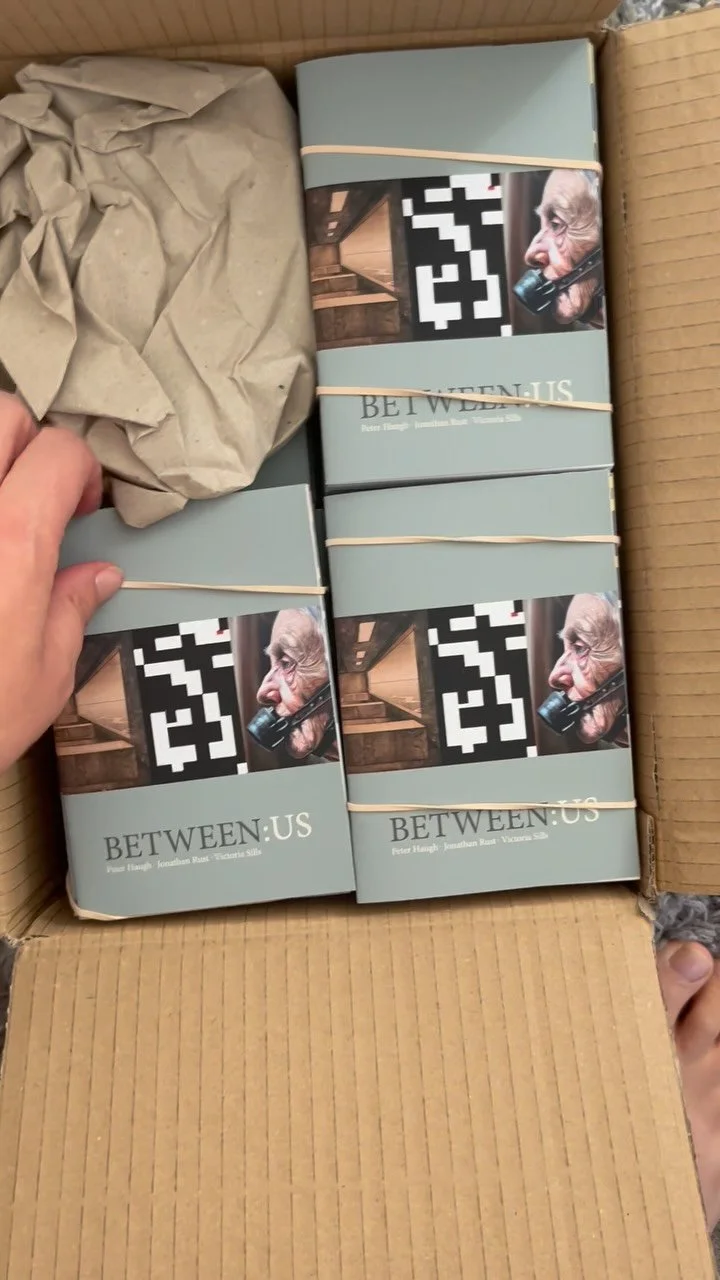
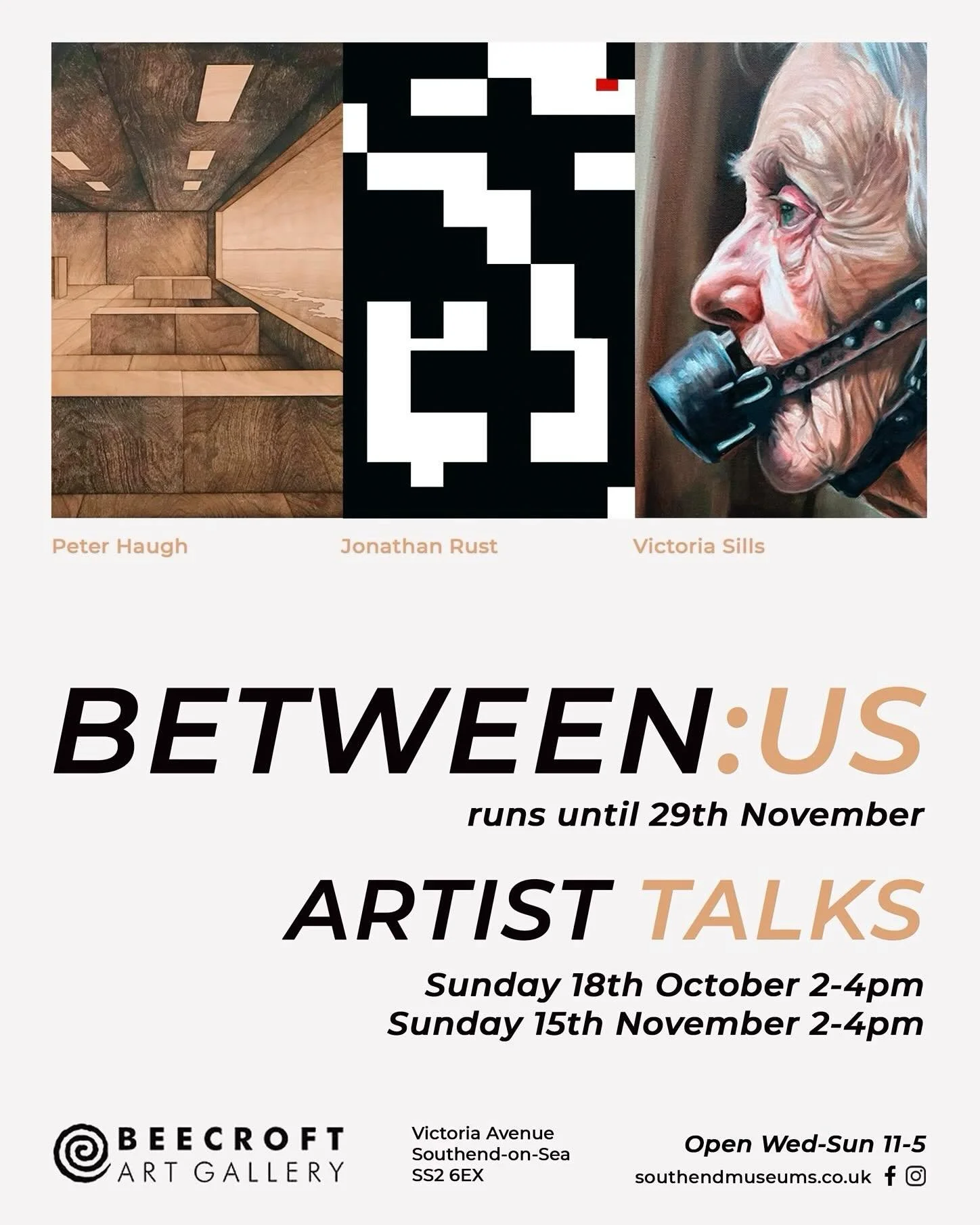
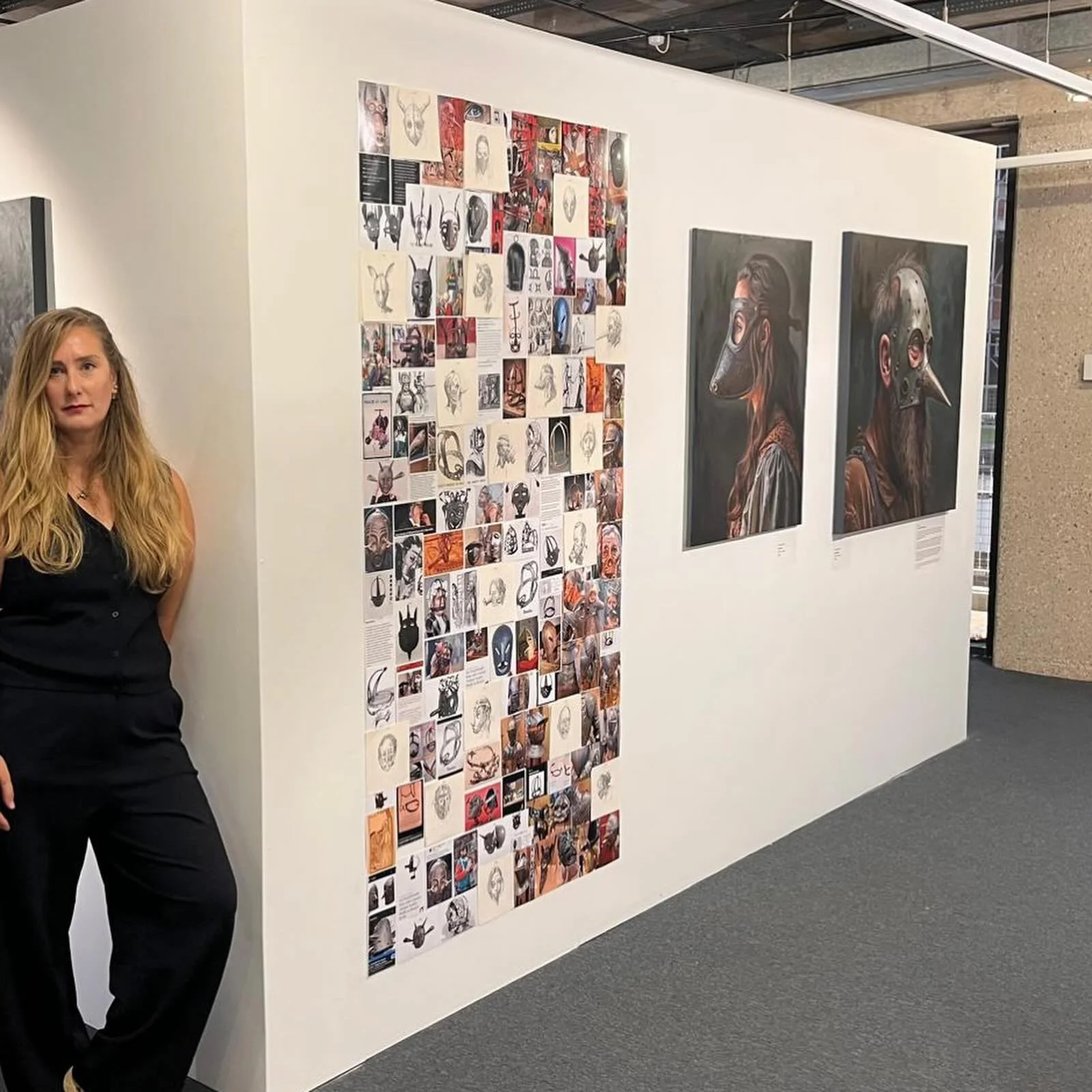

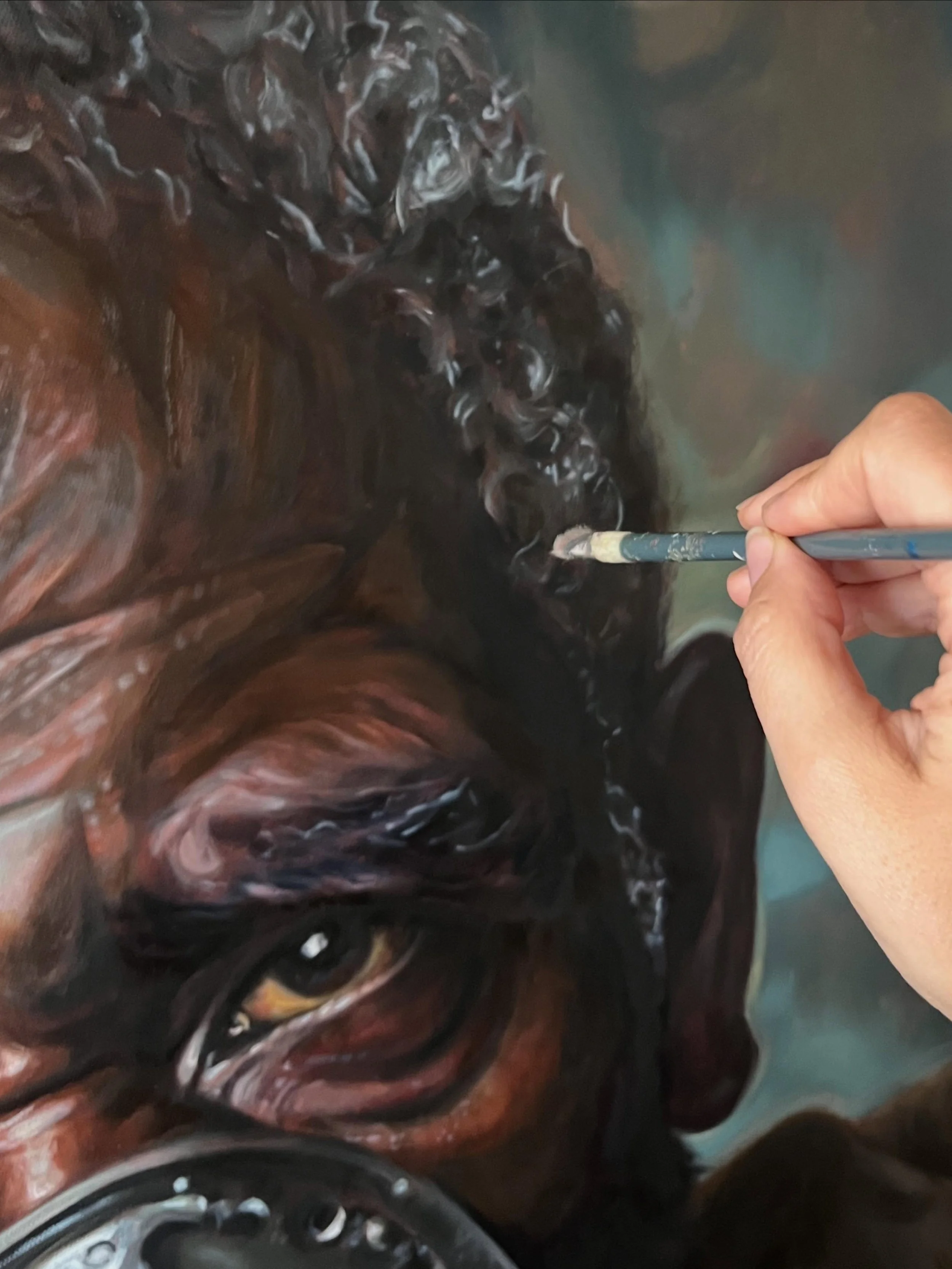
For the last year I’ve been working on a new body of paintings that will be debuted in a 3 person show at Beecroft Art Gallery in Southend-on-Sea.
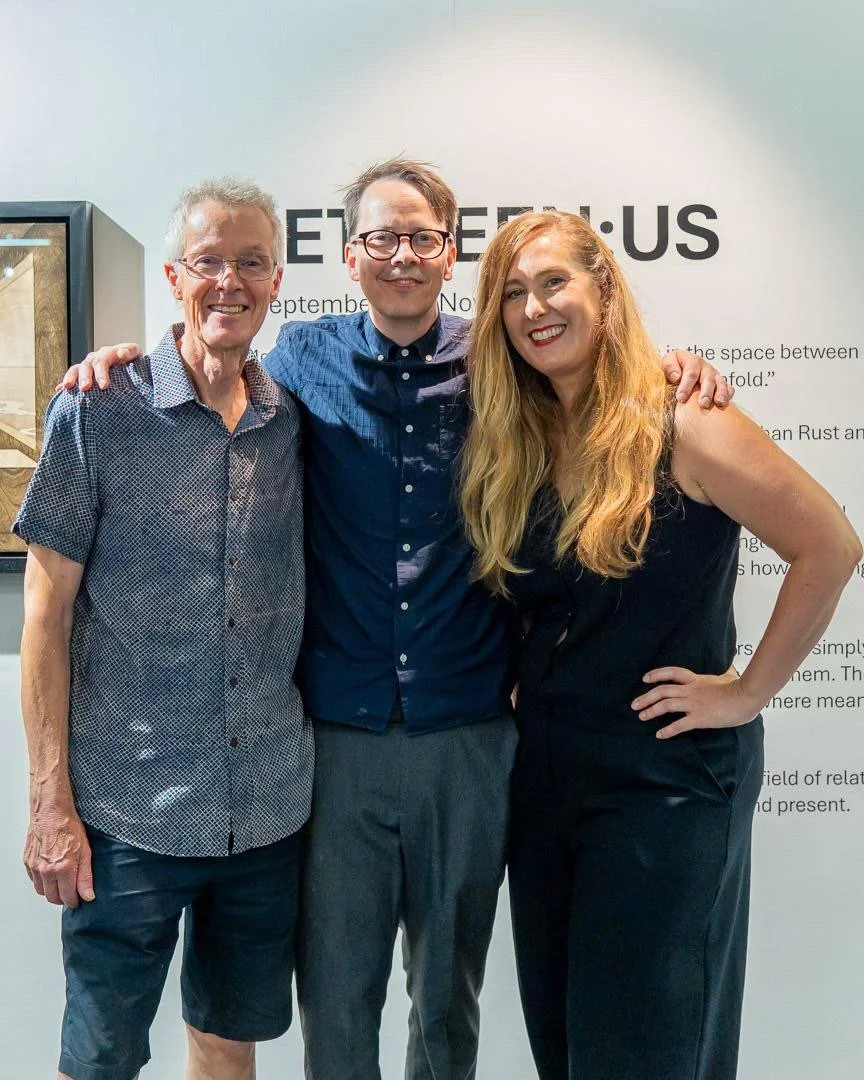
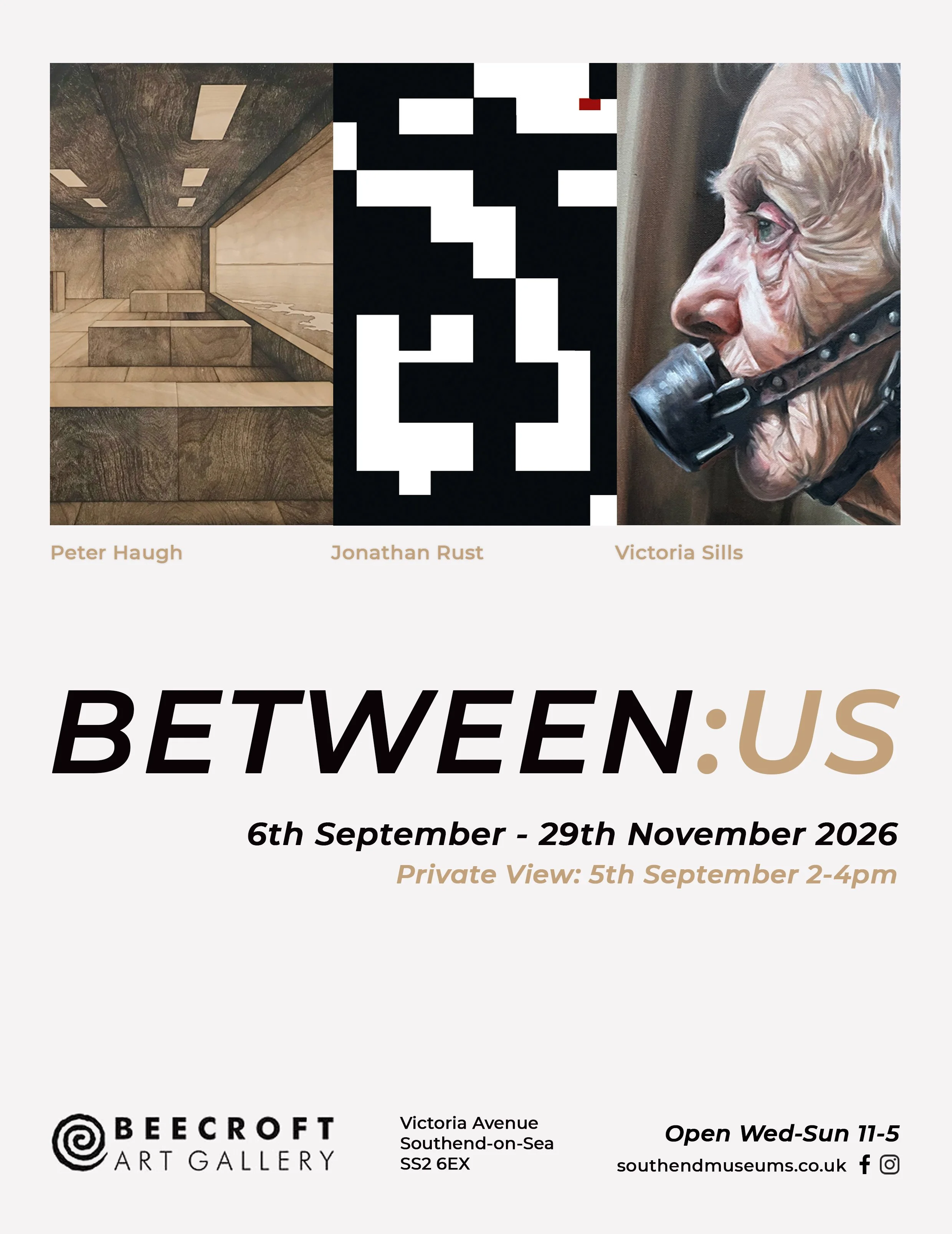
The show is entitled ‘Between Us’ and will be a combination of work by Peter Haugh, Jonathan Rust and myself. We all initially met on The Other MA (TOMA) course in 2019 and have collaborated over the years.
The opening will be on Saturday 5th September 2026 from 2-4pm, all are welcome to celebrate with us.
“Meaning doesn’t arrive fully formed. It emerges in the space between what is seen, what is sensed, and what is allowed to unfold.”
The exhibition features painting, drawing, sculpture, printmaking and digitally composed image-based works, reflecting the varied material approaches of the three artists. Rather than presenting a unified theme, the exhibition proposes a space of relation between artists, between works and between viewer and image. Each practice approaches this differently, yet all share a concern with how meaning is formed. Not as something fixed or delivered, but as something that emerges through encounter.
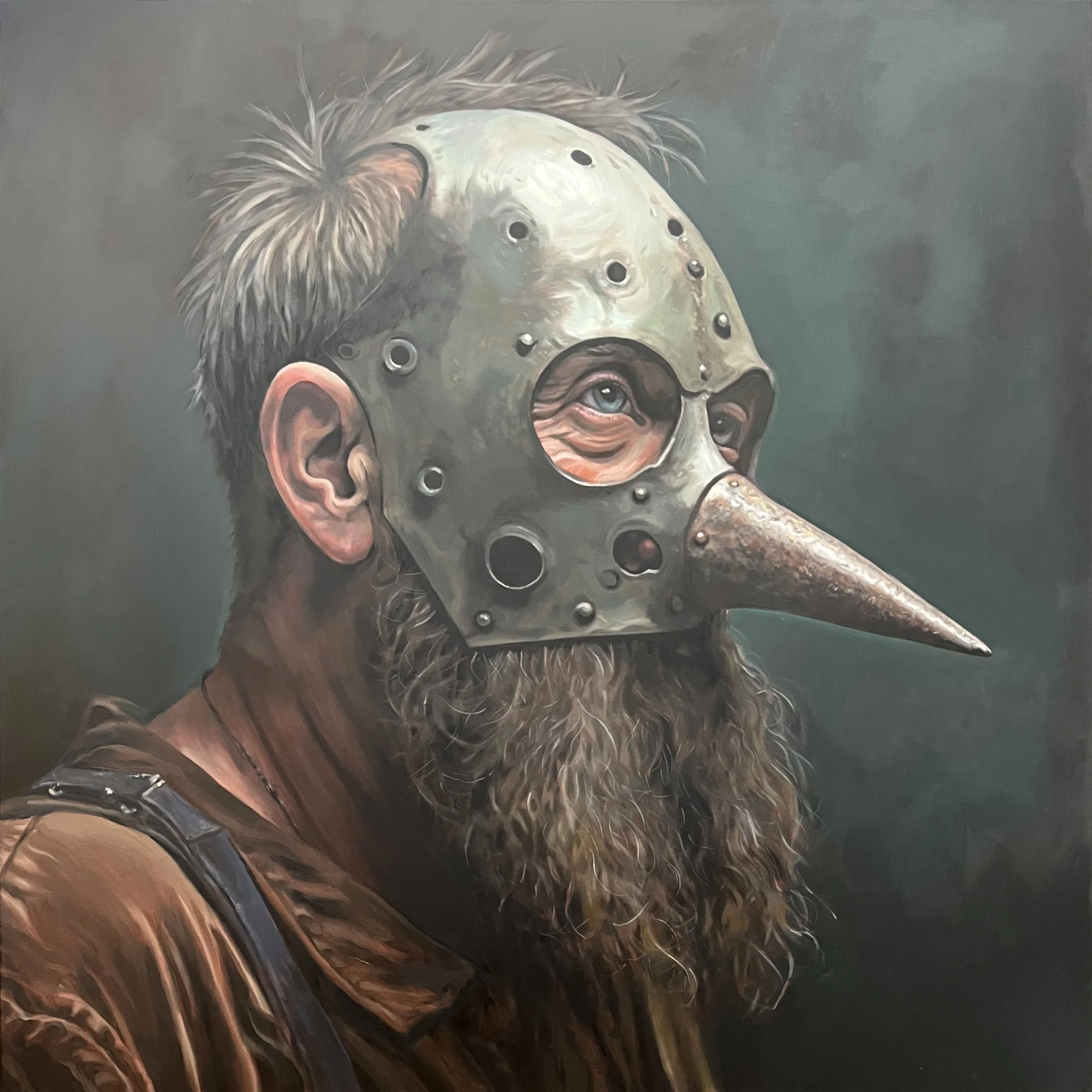
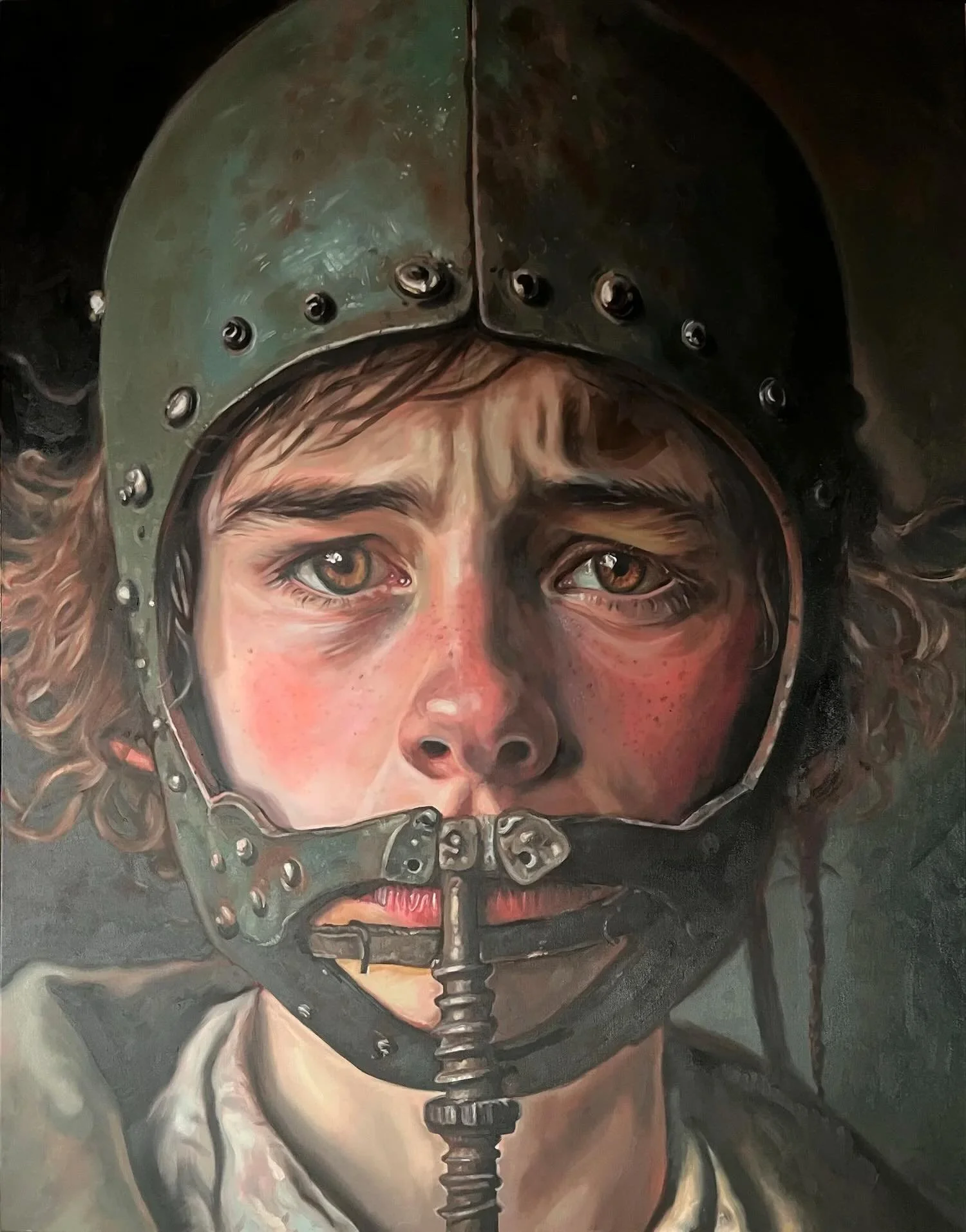
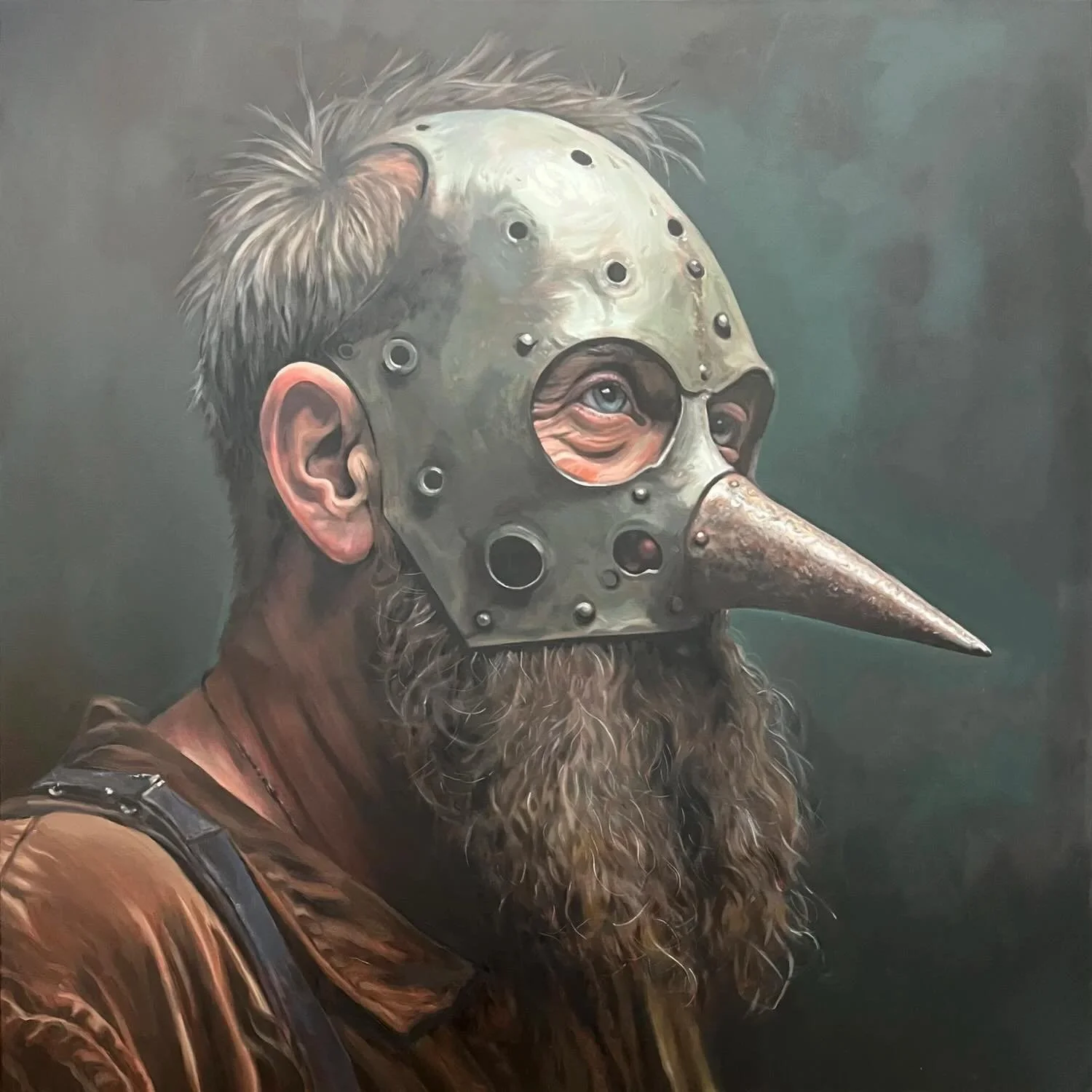
Ignominy - oil on canvas - 101.6 x 101.6 cm
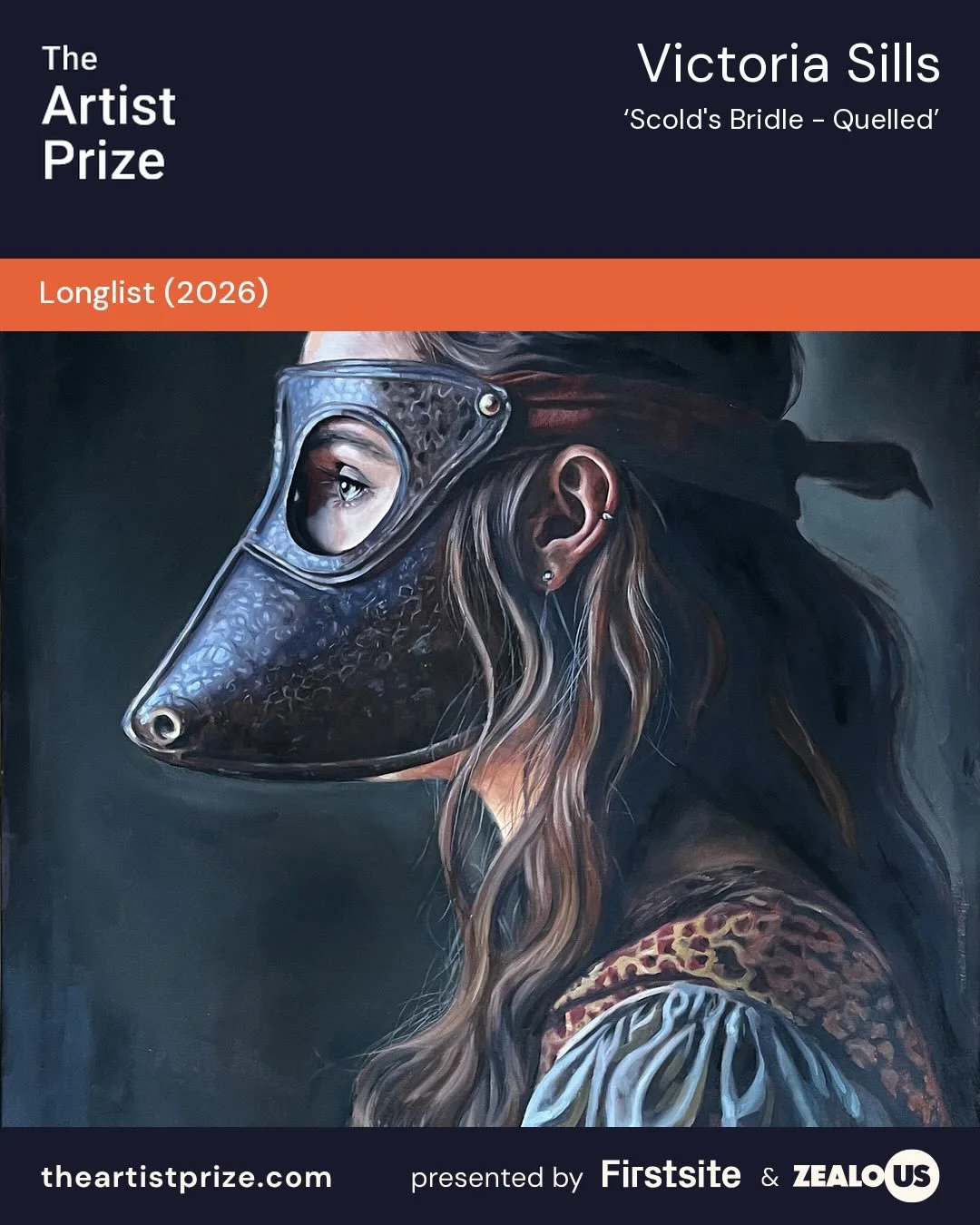
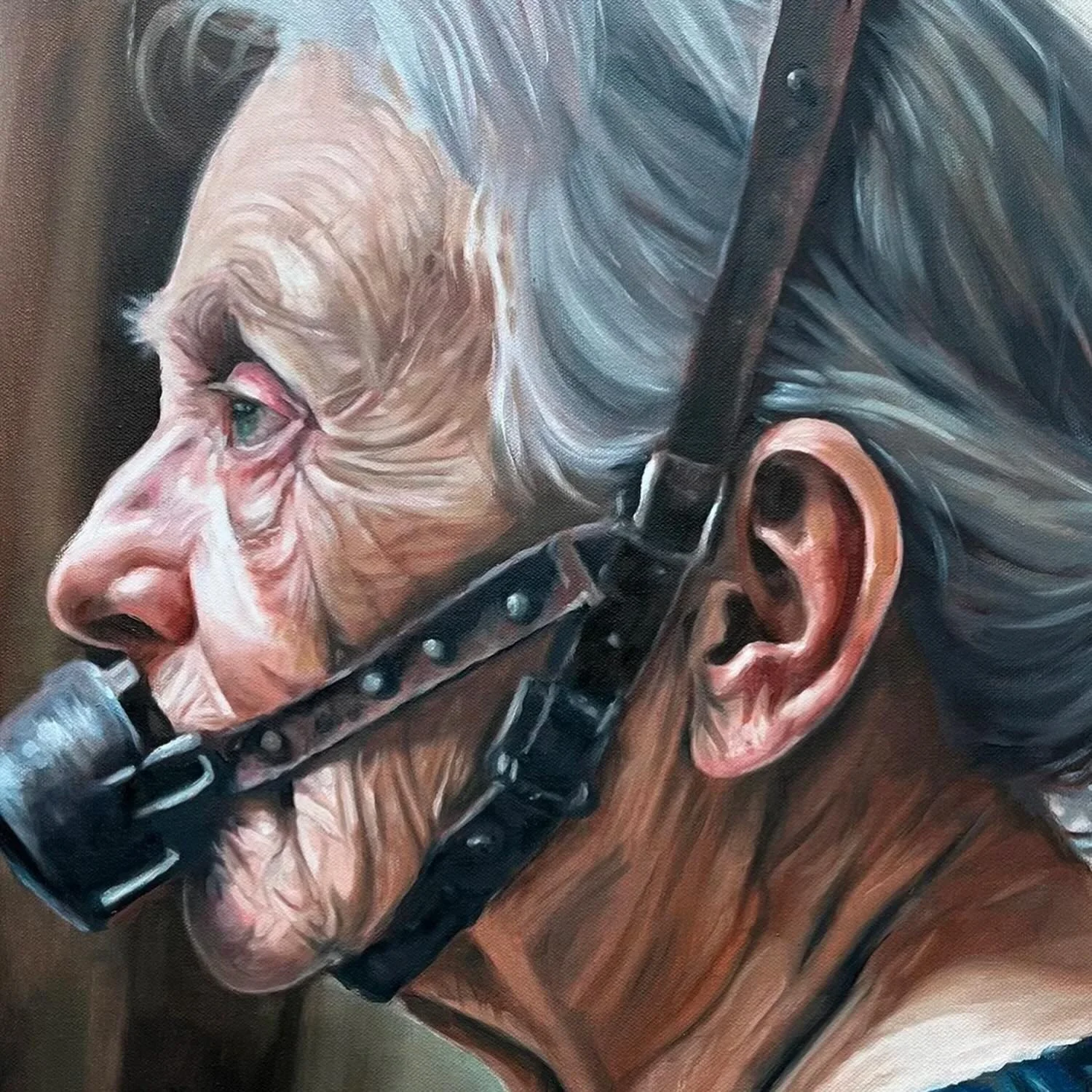
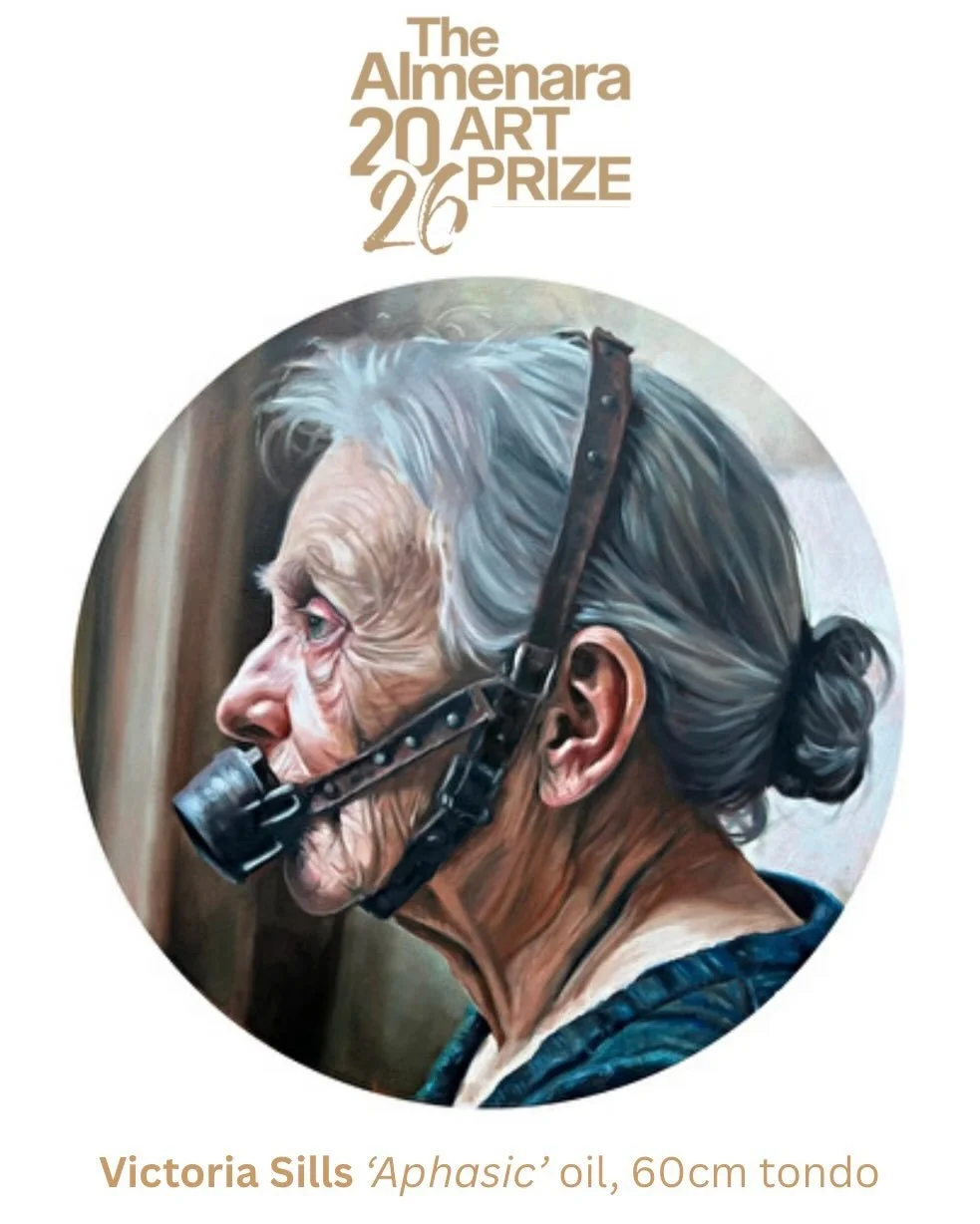
The scold's bridle was an instrument of punishment and public humiliation. Constructed from iron, it functioned as a muzzle-like apparatus secured around the head, incorporating a metal bit that pressed against the tongue. Speech was restricted under threat of pain, rendering the wearer both physically and symbolically silent.
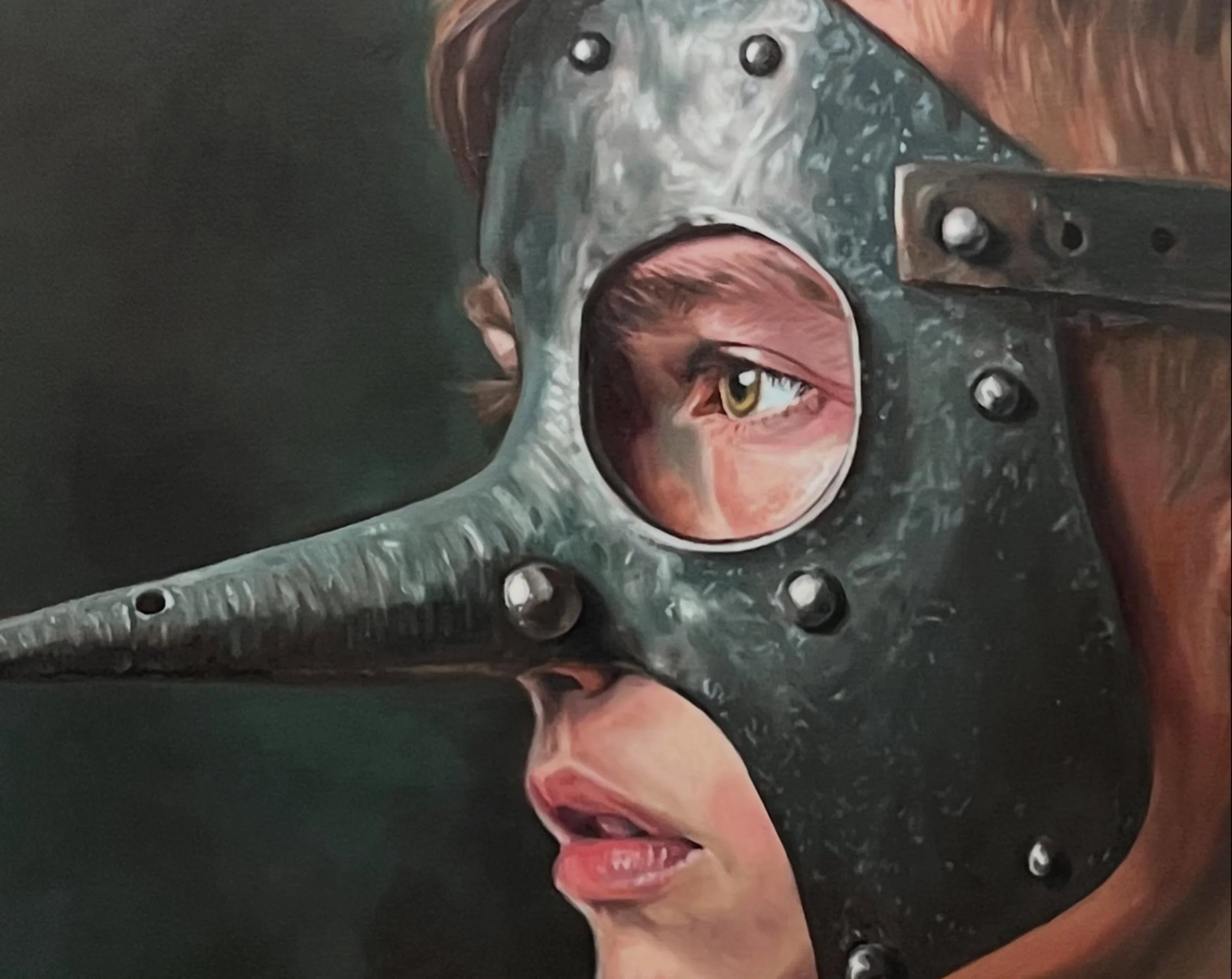
Although the scold's bridle was used predominantly on women, a related device known as the Mask of Shame existed as early as the Middle Ages was also used on men. These iron masks often took the form of animals or grotesque figures, their features reflecting the wearer's alleged offence: exaggerated tongues denoted gossip, pig snouts suggested uncleanliness and oversized ears signified eavesdropping.
While overt forms of social control may be less visible today, disciplinary structures continue to operate through mechanisms such as social media, algorithmic moderation, and the pressures of cancel culture.
Within this context, the mask becomes a metaphor for internalised shame and self-censorship, where control is no longer enforced by external forces but is sustained psychologically from within.
This work explores how silence functions not simply as the absence of speech, but as a form of self-regulation in which anticipated judgement shapes what we choose to reveal and what we choose to conceal.